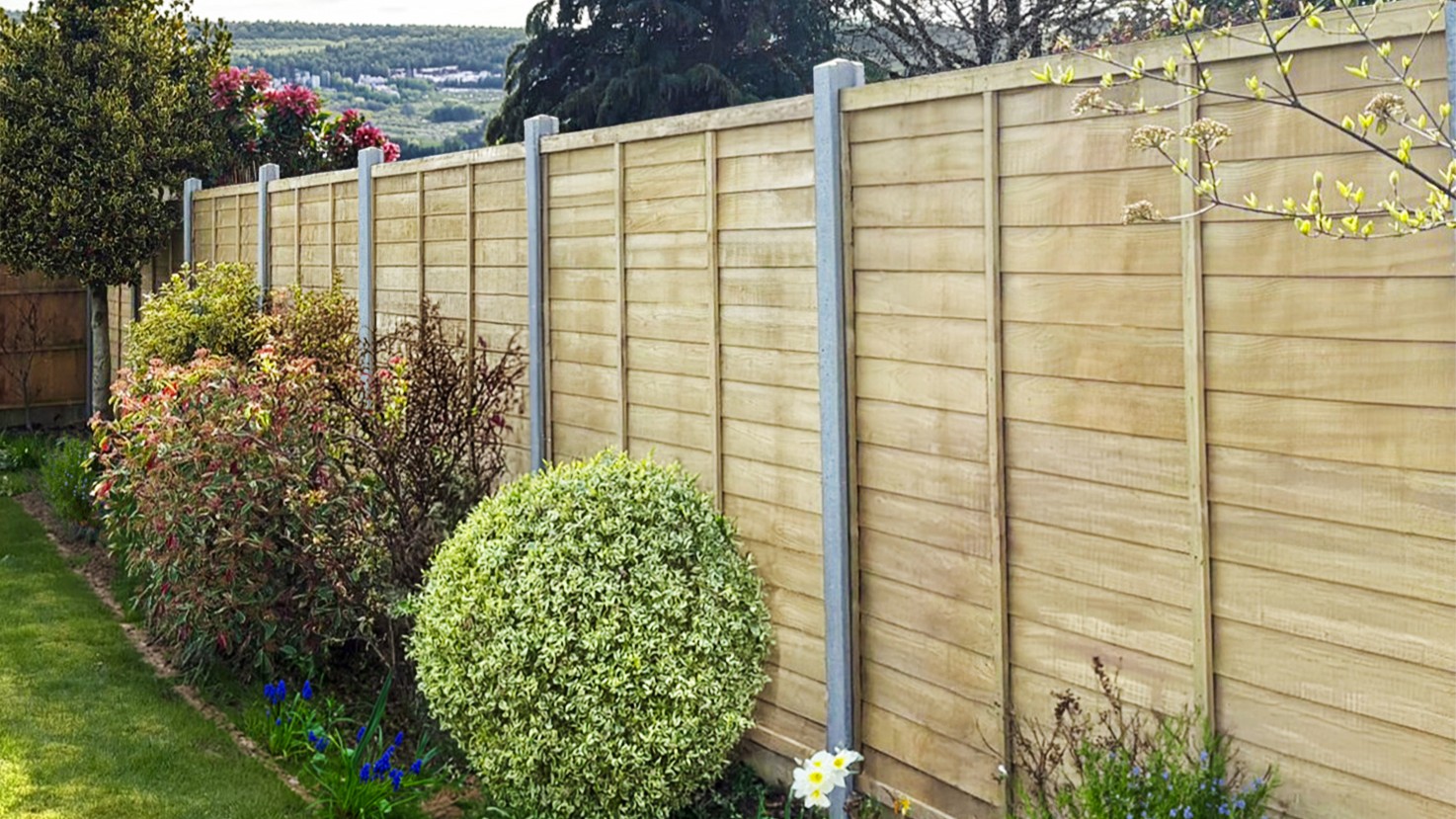
As winter takes hold, garden fencing is set to face one of its toughest tests of the year, with heavy rain, freezing temperatures and powerful winds all threatening to cause costly damage.
And Forest Garden, the UK’s largest manufacturer of wooden garden products, is urging homeowners to take action before the worst of the winter weather strikes.
Jenny Davis, Head of Marketing at Forest Garden, said: “Fencing is often overlooked until something goes wrong, but winter weather can quickly expose any weaknesses. A loose post, damaged panel or even a small area of rot can become a much bigger problem when strong winds and heavy rain arrive.
“The good news is that a little preventative maintenance can go a long way. Taking the time to inspect your fence and tackle any issues now could save you the cost and inconvenience of major repairs later.”
Here, Jenny shares five simple ways to help winter-proof fencing:
- Check your fence posts
A fence is only as strong as the posts supporting it, so checking they’re secure should be your first priority.
Give each post a gentle push to see if there’s any movement. Loose concrete posts may need digging out and resetting in fresh concrete, while timber posts showing signs of rot should be repaired or replaced.
If the damage is limited to the base, steel repair spikes or concrete repair spurs can sometimes provide additional support without the need to replace the entire post.
- Repair and reinforce damaged panels
Even minor damage can become a much bigger problem when winter storms arrive. Strong winds put enormous pressure on fencing, with solid panels acting almost like sails as they catch the wind.
Inspect each panel for loose battens, broken boards or damaged capping, and carry out any repairs before the weather deteriorates.
Replacement battens and caps can help strengthen panels that are otherwise in good condition. However, if a panel is badly damaged or weakened, replacing it completely is usually the safest option.
- Look out for signs of rot
Rot is one of the biggest threats to timber fencing, particularly during the colder, wetter months when wood is exposed to prolonged damp conditions.
Take time to inspect your fence for signs of decay, paying particular attention to the bottom of panels and the base of timber posts, where moisture is most likely to accumulate.
Look for soft, crumbling or discoloured wood, and deal with any problems before they spread. Small areas of damage may be repairable, but badly rotted sections should be replaced to prevent the fence becoming unstable.
- Clear surrounding trees and plants
Overgrown trees and shrubs can pose a serious threat to fencing during winter storms. Strong gusts can cause branches to snap or swing against panels, potentially resulting in significant damage.
Cut back any overhanging branches and keep climbing plants and dense shrubs under control, particularly where they’re putting pressure on the fence.
It’s also worth clearing away fallen leaves and other debris that have collected around the base. These can trap moisture against timber, encouraging rot and shortening the lifespan of your fence.
- Give your fence a protective treatment
Winter’s combination of rain, frost and freezing temperatures can take its toll on timber fencing, so applying a protective treatment before the worst weather arrives can help extend its lifespan.
Check whether your fence needs a fresh coat of exterior wood preserver, stain or protective paint. These treatments help repel moisture, reducing the risk of water penetrating the timber and encouraging rot.
Before applying, make sure the fence is clean, dry and free from loose paint or debris. Choose a dry day when temperatures are suitable for the product, allowing enough time for the treatment to dry before rain arrives.
For those looking for a long-lasting fencing solution, Forest Garden’s pressure-treated panels come with a 15-year guarantee and require no additional treatment.
Forest Garden offers a wide range of fencing solutions offering different combinations of privacy, security, aesthetic and noise reduction features, all of which are available now.