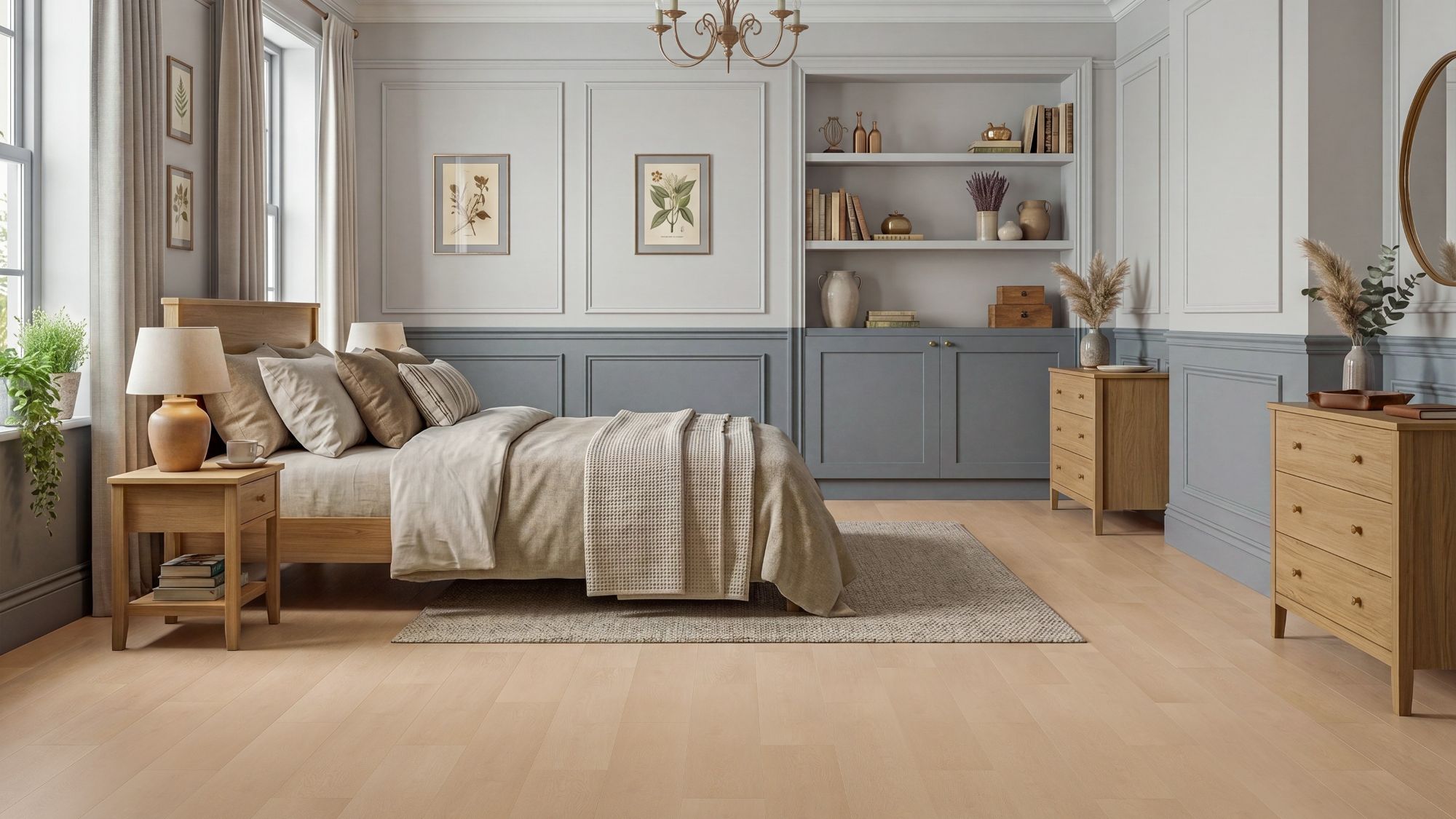
Choosing new flooring is one of the biggest decisions when decorating a home. Get it right and it can transform a room. Get it wrong, however, and you could be left with an expensive mistake that’s difficult to put right.
That’s why British flooring specialist Stories Flooring is sharing five common mistakes homeowners should avoid, along with expert advice on how to get it right first time.
Whether you’re refreshing a single room or planning a complete home renovation, these simple tips could help save money, avoid unnecessary headaches and choose flooring you’ll love for years to come.
Yarl Christie, Founder of Stories Flooring, said: “From falling in love with a flooring design that simply isn’t practical to mixing too many different styles throughout the home, there are plenty of pitfalls that can turn a dream makeover into a costly disappointment.”
Here, Yarl – who began his career as a floor fitter and gained hands-on experience shaping his understanding of quality, design and customer needs – shares his top five flooring mistakes homeowners should avoid when renovating.
- Choosing style over practicality
It’s easy to fall in love with a beautiful flooring design, but looks alone shouldn’t dictate your decision.
Before settling on a particular style, think about how the room is used and the demands your new flooring will need to withstand. A busy family kitchen, for example, will have very different requirements from a quiet bedroom, while homes with children or pets may need something that can cope with muddy paws, spills and everyday wear and tear.
Luxury vinyl flooring can be a practical option for busy households, offering the appearance of natural materials with the added benefits of durability and easy cleaning.
Yarl said: “The key is to strike the right balance between style and practicality, choosing a floor that not only looks beautiful on installation day but continues to perform for years to come.”
- Using the wrong flooring in the wrong room
Not all flooring is suitable for every room, and choosing the wrong material could lead to problems further down the line.
Moisture is one of the biggest considerations, particularly in bathrooms, kitchens and utility rooms where splashes, spills and humidity are part of everyday life.
While solid wood flooring can bring timeless character to living rooms and bedrooms, it isn’t generally recommended for areas exposed to significant moisture, as changes in humidity can cause the boards to expand, contract or warp.
Waterproof luxury vinyl flooring, on the other hand, can be a more suitable choice for bathrooms and other moisture-prone spaces.
Yarl said: “Always check the manufacturer’s recommendations before buying to make sure your chosen flooring is suitable for the environment in which it will be installed.”
- Mixing too many flooring styles
While there’s nothing wrong with introducing different flooring designs throughout your home, using too many contrasting colours, materials and patterns can leave rooms feeling disconnected.
Instead, consider following the ‘Rule of Three’, which suggests limiting your flooring choices to around three complementary styles or finishes throughout the home.
This doesn’t mean every room has to look identical. Homeowners could, for example, combine classic oak-effect planks in the living room with statement herringbone in the dining room, while choosing a complementary tile-effect floor for the kitchen.
Yarl said: “The trick is to create a sense of continuity by choosing finishes that share similar undertones or work harmoniously together, helping individual rooms retain their own character without disrupting the overall flow of the home.”
- Forgetting about underfloor heating
Underfloor heating is an increasingly popular way to create a warm, comfortable home, but overlooking it when choosing flooring could prove a costly mistake.
Not every flooring material is compatible with every underfloor heating system, and installing an unsuitable product can affect performance or even damage the floor.
It’s also important to consider maximum surface temperatures and any specific installation requirements.
Yarl said: “Before making a purchase, check that your chosen flooring is approved for use with your heating system and follow the manufacturer’s guidance. This simple check could save considerable expense and disruption later.”
- Focusing on price rather than long-term value
Everyone loves a bargain, particularly when renovating on a budget, but choosing flooring based purely on the price tag can sometimes prove a false economy.
A cheaper floor might seem appealing initially, but if it isn’t suited to the demands of the room, it could show signs of wear sooner than expected or need replacing earlier.
Rather than focusing solely on the upfront cost, consider factors such as durability, wear resistance, cleaning requirements and the manufacturer’s warranty.
Yarl added: “It’s also worth factoring in the cost of underlay, accessories and installation, which can make a significant difference to the final bill.”
Stories Flooring offers a comprehensive flooring selection, with everything from LVT and laminate options through to both solid and engineered wood floors.